Biomedical NAD+
Pharmaceutical-grade NAD+ from Biomedical — for clinical excellence.
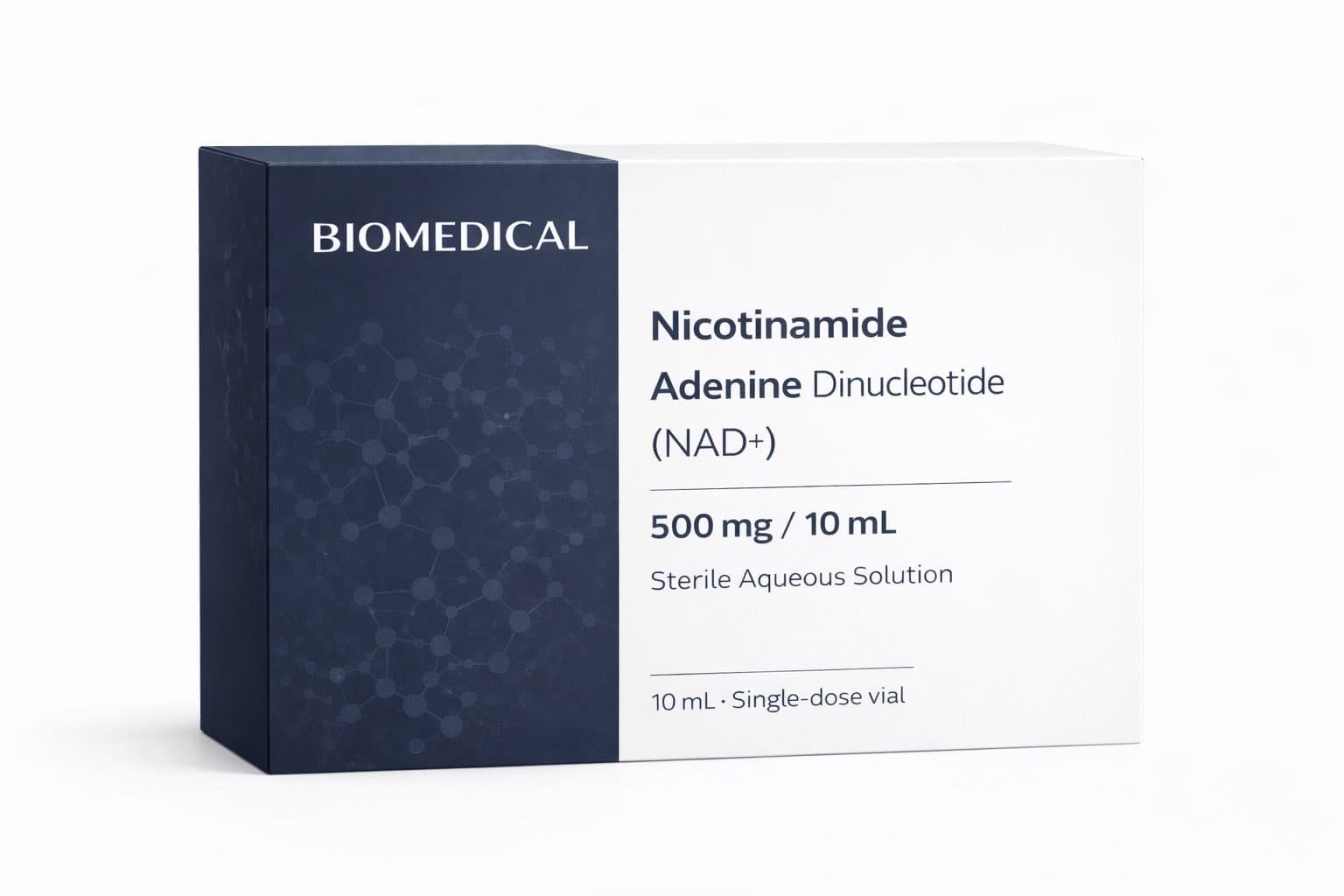
Nicotinamide adenine dinucleotide sterile aqueous solution 500mg/10ml
High-purity NAD+ sterile aqueous solution for optimal cellular energy production and mitochondrial function.
The Science Behind NAD+
Understanding the essential coenzyme central to cellular metabolism, energy production, and longevity
NAD+ Molecular Structure
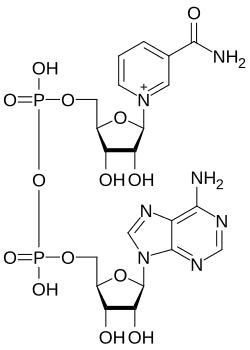
Nicotinamide adenine dinucleotide (NAD) is a coenzyme central to metabolism, found in all living cells. NAD exists in two forms: oxidized (NAD+) and reduced (NADH). NAD+ acts as an oxidizing agent, accepting electrons and becoming NADH, which can then donate electrons. Beyond energy metabolism, NAD+ is consumed in post-translational modifications and is a target for therapeutic interventions.
Essential Functions
Energy Metabolism
NAD+ is central to cellular respiration, carrying electrons from nutrients to produce ATP through oxidative phosphorylation in mitochondria.
DNA Repair
NAD+ is consumed by PARP enzymes during DNA repair. When DNA damage occurs, PARP uses NAD+ to add ADP-ribose chains to proteins.
Gene Expression
Sirtuins, NAD+-dependent deacetylases, use NAD+ to remove acetyl groups from histones and other proteins, regulating gene expression and longevity pathways.
Biosynthesis
NAD+ can be synthesized de novo from amino acids or through salvage pathways from vitamin B3 precursors.
Mechanism of Action
Bioavailability Comparison
Clinical Research
Evidence-based research supporting NAD+ therapy
- NAD+ Precursor Bioavailability and Cellular Uptake — Cell Metabolism, 2023Cite / Read
- Long-term Effects of NAD+ Therapy on Mitochondrial Function — Nature Aging, 2023Cite / Read
- Safety Profile of High-Dose NAD+ Administration — Clinical Pharmacology & Therapeutics, 2022Cite / Read
- Molecular Mechanisms of NAD+ in DNA Repair Pathways — Science, 2023Cite / Read
- Comparative Study of NAD+ Delivery Methods — Journal of Clinical Medicine, 2023Cite / Read
Ready to Get Started?
Contact Biomedical to supply your clinic with our NAD+ product
BIOMEDICAL LTD
Company number 12735747
5 Linford Lane, Willen, Milton Keynes, England, MK15 9DL